
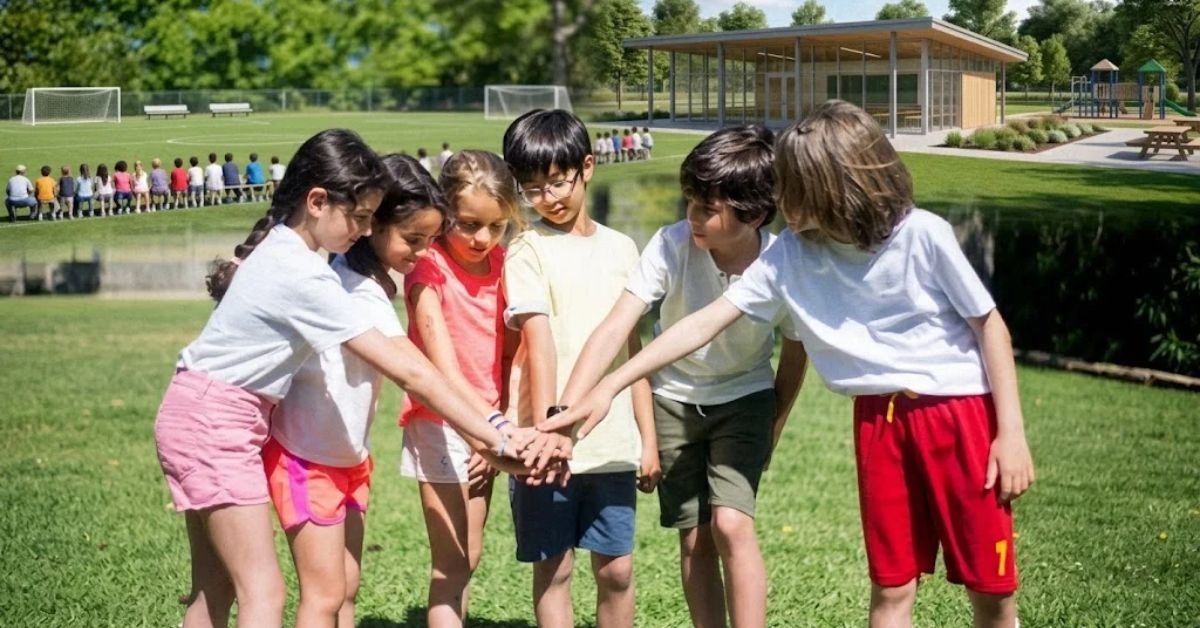
School holidays can provide valuable opportunities for children to develop practical abilities that extend beyond academic learning. Participating in a suitable summer camp allows young learners to explore teamwork, independence, communication, and problem-solving through enjoyable activities. For families in Whitefield, understanding these developmental benefits can help them choose holiday experiences that encourage confidence and personal growth.
Why Life Skills Matter During Childhood
Life skills help children manage everyday situations with increasing independence.
These abilities include communication, cooperation, decision-making, emotional awareness, and responsibility.
Young children develop them gradually through meaningful experiences.
Learning Through Participation
Practical skills become easier to understand when children actively participate.
Organising materials, following simple routines, and completing group tasks create opportunities for learning.
Holiday activities can introduce these experiences in enjoyable ways.
Encouraging Independent Decision-Making
Children benefit from opportunities to make age-appropriate choices.
Selecting creative materials, choosing between activities, and deciding how to approach simple challenges encourage independence.
Building Confidence Through Choices
When children make manageable decisions, they begin to trust their abilities.
Educators can offer suitable options while maintaining necessary boundaries.
This approach supports confidence without overwhelming young learners.
Developing Teamwork Through Games
Group activities encourage children to cooperate and communicate.
Simple collaborative challenges provide opportunities to understand shared responsibilities.
Learning to Respect Different Ideas
Children may approach the same activity differently.
Working together teaches them to listen and consider alternative suggestions.
Educators can encourage respectful communication during disagreements.
Strengthening Problem-Solving Abilities
Holiday activities can introduce enjoyable challenges.
Building structures, completing puzzles, and participating in simple discovery games encourage children to think independently.
Understanding Mistakes Positively
Not every attempt produces the expected outcome.
Children should feel comfortable trying again when something does not work.
Patient encouragement helps them develop persistence and resilience.
Supporting Emotional Development
New environments and activities can create excitement alongside uncertainty.
A summer camp should provide emotional reassurance and opportunities for gradual participation.
Developing Self-Awareness
Children can learn to identify preferences, communicate feelings, and recognise when they need assistance.
Educators should respond respectfully to different emotional needs.
These experiences support healthy social development.
Introducing Everyday Responsibility
Practical responsibilities can become part of enjoyable holiday routines.
Children may help organise materials, return objects to appropriate places, and participate in simple cleanup activities.
Encouraging Helpful Habits
Small responsibilities teach children that their actions contribute to a shared environment.
Adults can demonstrate tasks and provide assistance when necessary.
Consistent encouragement helps children become more capable.
Balancing Learning and Enjoyment
Holiday programmes should remain engaging and developmentally appropriate.
Children need time for creativity, movement, rest, and unstructured exploration.
An overly demanding schedule can reduce enjoyment.
What Parents Should Consider
Families should ask about activity schedules, educator supervision, group sizes, and safety arrangements.
They should also consider whether activities match their child’s interests.
Parents exploring Whitefield can check the holiday activity location and directions before making enquiries.
Conclusion
A meaningful summer camp experience can help children develop independence, teamwork, communication, and problem-solving abilities through enjoyable activities. Practical responsibilities and creative challenges encourage confidence while supporting emotional development. By choosing age-appropriate holiday experiences that balance exploration with guidance, families can help children build valuable life skills and create positive memories.
