
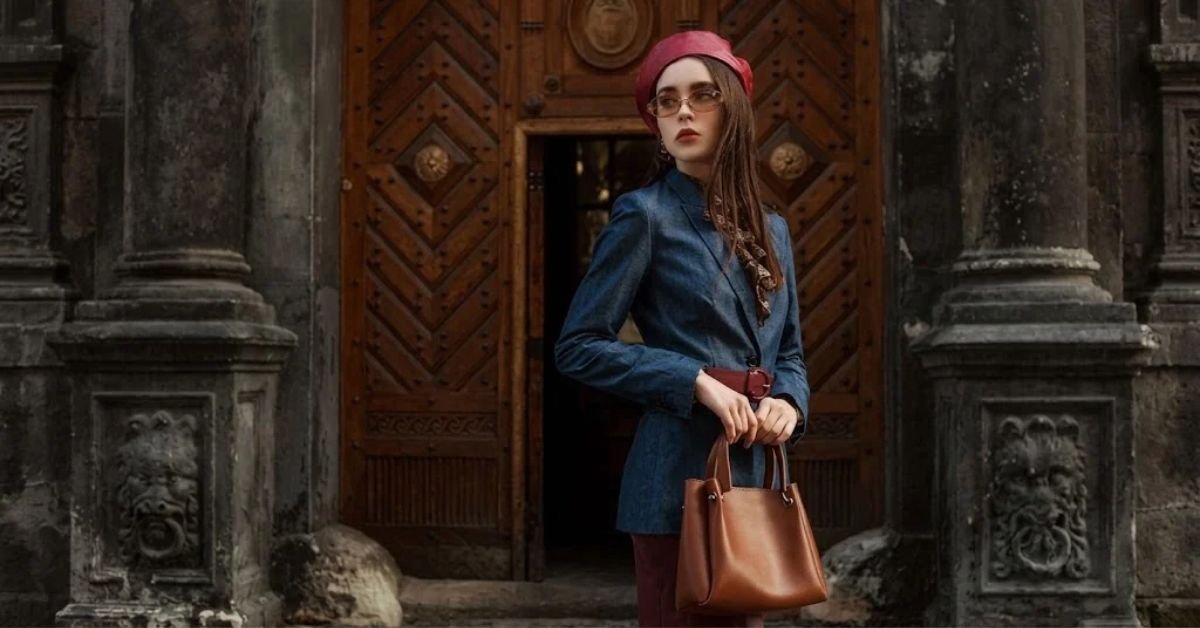
Fashion trends come and go, but classic clothing continues to hold an important place in women’s wardrobes. While modern styles introduce fresh colours, creative designs, and new ways to express individuality, timeless pieces provide a dependable foundation for everyday dressing. They make it easier to create outfits that feel stylish, comfortable, and suitable for different occasions without constantly chasing the latest trends.
1. Understanding the Appeal of Classic Clothing
Classic clothing refers to pieces that remain useful and appealing beyond a single season. Rather than relying on bold trends or complicated designs, these garments often feature simple cuts, versatile colours, and practical details.
Examples include tailored trousers, white shirts, straight-leg jeans, simple dresses, neutral sweaters, and well-made jackets. These items can be styled in different ways, making them useful for work, casual outings, family gatherings, and other everyday activities.
The appeal of classic clothing lies in its flexibility. A white shirt, for instance, can be paired with jeans for a relaxed look or worn with tailored trousers for a more formal setting. This adaptability makes timeless pieces valuable additions to a modern wardrobe.
2. Why Timeless Pieces Still Matter
Modern women’s fashion offers countless choices, from contemporary streetwear to elegant occasion outfits. However, having too many trend-focused items can sometimes make getting dressed more complicated.
Classic clothing provides a reliable starting point. When your wardrobe includes versatile essentials, you can build different outfits around them and introduce new styles without replacing everything you own.
There are several benefits to choosing timeless pieces:
- Versatility: Many classic items work across different occasions.
- Easy coordination: Simple colours and cuts are often easier to combine.
- Long-term usefulness: Well-cared-for garments can remain wearable for years.
- Personal expression: Accessories and layering allow you to make basic pieces your own.
Rather than avoiding trends altogether, you can combine selected modern elements with classic clothing to create a balanced personal style.
3. The Importance of Simple Colours and Designs
Colour plays an important role in making classic clothing easy to wear. Shades such as black, white, navy, beige, grey, and cream can coordinate with many other colours, helping you create outfits with minimal planning.
Simple designs also make individual garments more adaptable. A plain top can be styled with printed trousers, while a patterned jacket can add interest to an otherwise neutral outfit. The aim is to create a wardrobe in which different pieces complement one another.
For women who appreciate coordinated clothing, Solids 2 Piece outfits offer a straightforward way to achieve a polished appearance. Their matching colours create a cohesive look, while the separate pieces can often be styled with other wardrobe essentials. Depending on the fabric and cut, such outfits can suit casual lunches, shopping trips, informal gatherings, or everyday activities.
This combination of simplicity and flexibility demonstrates how classic styling principles continue to influence contemporary fashion.
4. Balancing Classic and Contemporary Trends
Modern fashion does not require choosing between timeless clothing and current trends. In fact, combining the two can help create outfits that feel fresh without becoming difficult to wear.
For example, classic straight-leg jeans can be paired with a contemporary top, or a traditional blazer can be styled with casual sneakers. A simple dress may look different when worn with modern accessories or layered under a fashionable jacket.
Try these practical combinations:
- A white shirt with relaxed-fit jeans and modern sneakers.
- Tailored trousers with a colourful top and understated jewellery.
- A neutral dress with a contemporary handbag.
- A classic blazer over a simple T-shirt and comfortable pants.
These combinations allow you to experiment with current styles while keeping familiar wardrobe essentials at the centre of your look.
5. Choosing Quality and Comfortable Fabrics
The value of classic clothing depends partly on how well garments suit your everyday needs. Fabric, construction, and comfort all influence whether a piece becomes a regular favourite or remains unworn in your wardrobe.
Cotton is often useful for everyday tops because it feels comfortable and breathable. Linen can be a practical option in warmer weather, while wool blends and knitwear may offer warmth during cooler months. The best choice depends on your climate, activities, and personal preferences.
Before buying a garment, check its stitching, seams, buttons, and care instructions. Consider whether the material feels comfortable and whether you can imagine wearing the item with several pieces you already own.
Quality does not always mean choosing the most expensive option. It means looking for clothing that meets your needs and offers dependable use.
6. Using Accessories to Personalise Classic Outfits
One advantage of classic clothing is that accessories can change its appearance without requiring an entirely new outfit. A simple black dress, for example, can feel relaxed with flats and a tote bag or more formal with elegant shoes and a structured handbag.
Useful accessories include:
- Belts that complement trousers or dresses.
- Scarves that introduce colour or texture.
- Simple jewellery for subtle detail.
- Handbags suited to different activities.
- Shoes that balance style with comfort.
Choose accessories that reflect your personality and suit the occasion. You do not need to follow every trend or purchase a large collection. A few carefully selected items can offer plenty of styling possibilities.
7. Building a Wardrobe That Lasts
Creating a timeless wardrobe is a gradual process. Begin by identifying the clothes you wear most often and the pieces that work well together. Then consider which essentials would fill genuine gaps.
Before purchasing something new, ask yourself whether it suits your lifestyle, feels comfortable, and can be paired with at least a few items you already own. This simple habit encourages thoughtful choices and reduces unnecessary spending.
Taking care of your clothing is equally important. Follow washing instructions, store garments appropriately, and repair small issues when practical. These habits help preserve useful pieces and keep your wardrobe ready for everyday wear.
Conclusion
Classic clothing remains essential to modern women’s fashion because it combines versatility, comfort, and lasting appeal. By choosing dependable basics, experimenting with contemporary details, and caring for garments, women can build wardrobes that reflect their personalities. Timeless style is ultimately about wearing what feels practical, confident, and genuinely suited to everyday life.
