
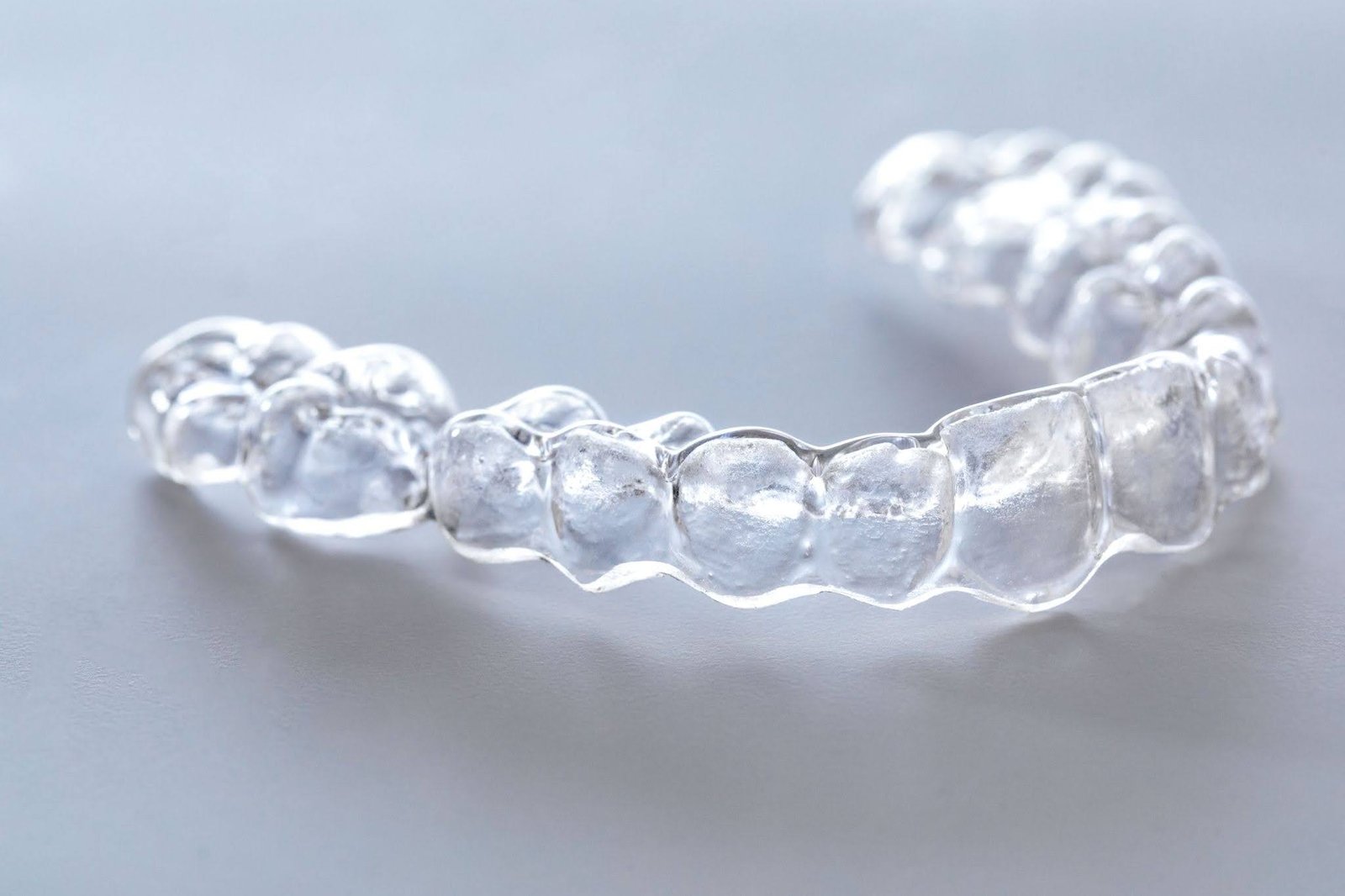
Most people think of Invisalign as a way to fix crooked teeth, and that’s true. But for a lot of patients, straight teeth are only part of the goal. Underneath that clear tray, something bigger might be happening: your dentist could also be correcting the way your upper and lower teeth fit together. This is called bite correction, and it’s a huge part of why some Invisalign plans take longer or involve extra steps than others.
This article explains what bite correction actually means, why it matters just as much as straight teeth, and how it changes the way an Invisalign plan gets built.
What Bite Correction Actually Means
Your bite is simply how your upper and lower teeth meet when you close your mouth. In a healthy bite, the top and bottom teeth line up in a way that spreads out chewing pressure evenly and lets your jaw move comfortably. When that alignment is off, it’s called a malocclusion, which is just a fancy word for a bite that doesn’t fit together the way it should.
Straightening teeth changes how they look in a smile. Bite correction changes how they function every time you chew, speak, or rest your jaw. Both matter, but they aren’t the same job, and treating one doesn’t automatically fix the other.
Why a Straight Smile Doesn’t Always Mean a Healthy Bite
It’s possible to have teeth that look perfectly straight from the front but still don’t meet correctly when you bite down. That’s because straightness is about the position of individual teeth, while bite is about how the entire upper and lower rows relate to each other. A dentist checking for bite problems looks at the whole picture, not just how teeth line up in a mirror.
Common Bite Problems Invisalign Can Address
Several types of bite issues show up often enough that most dentists watch for them during an evaluation.
Overbite
An overbite happens when the top front teeth extend too far over the bottom teeth. A small amount of overlap is normal, but a large one can wear down enamel over time and put extra strain on the jaw joint.
Underbite
An underbite is the opposite problem, where the lower teeth sit in front of the upper teeth. This can make chewing harder and sometimes affects how clearly someone speaks.
Crossbite
A crossbite happens when some upper teeth sit inside the lower teeth instead of outside them, usually on one side of the mouth. Left untreated, it can cause uneven wear and even affect jaw growth in younger patients.
Open Bite
An open bite occurs when the front teeth don’t touch at all when the back teeth are closed together. This often affects biting into food and can also influence speech patterns.
Why Dentists Prioritize Bite Correction
Fixing a bite problem isn’t just about comfort. Left alone, these issues can lead to real long-term damage.
Protecting Teeth From Uneven Wear
When a bite is off, certain teeth end up absorbing more pressure than others every time you chew. Over months and years, that uneven pressure can wear down enamel faster in specific spots, leading to sensitivity or even cracks.
Reducing Strain on the Jaw Joint
Your jaw joint, known as the TMJ, works overtime when your bite doesn’t line up correctly. That extra strain can lead to clicking, popping, or soreness in the jaw, and in some cases, chronic headaches.
Making Chewing and Speaking Easier
A properly aligned bite spreads out chewing force evenly and gives your tongue and lips a stable structure to work with when forming certain sounds. Fixing bite issues often improves both of these functions at the same time.
Preventing Future Orthodontic Relapse
If only the visible crookedness gets treated while the underlying bite problem stays the same, teeth are more likely to shift back out of place over time. Addressing bite issues alongside straightening helps create a more stable, lasting result.
How Invisalign Approaches Bite Correction Differently
Traditional metal braces use wires and brackets to apply constant force, along with rubber bands in many bite cases. Invisalign takes a more staged approach.
Attachments That Add Extra Grip
Small tooth-colored attachments are often added to specific teeth involved in bite movement. These give the aligner tray something to push against more precisely, which helps guide teeth in directions that are harder to achieve with tray pressure alone.
Elastics for More Complex Bite Issues
For certain bite problems, small rubber bands called elastics connect specific points on the upper and lower aligners. These work alongside the trays to shift the jaw’s position gradually, not just individual teeth.
Mid-Treatment Refinements
Bite correction sometimes needs adjustments partway through treatment. A dentist may request new aligners partway through the plan to fine-tune how the bite is coming together, based on how the teeth have responded so far.
Longer Treatment Timelines
Because bite correction involves the entire jaw relationship rather than just individual tooth position, treatment plans addressing both often take longer than straightening alone. This isn’t a setback, it simply reflects the added complexity of the work being done.
How Dentists Decide If Bite Correction Is Needed
Not every Invisalign patient needs bite correction, and figuring out who does starts with a detailed evaluation.
Digital Scans and Bite Analysis
Modern dental offices often use digital scanning tools to map out exactly how upper and lower teeth meet. This creates a clear picture of where the bite lines up correctly and where it doesn’t.
X-Rays and Jaw Positioning
X-rays help dentists see beyond just the visible teeth, showing root angles and jaw joint positioning that aren’t obvious from the outside.
Patient-Reported Symptoms
Jaw soreness, clicking sounds, or trouble chewing certain foods can all be clues that a bite issue exists alongside crooked teeth. Dentists often ask specific questions about these symptoms during a first visit.
Anyone researching invisalign nyc treatment options will often find that dentists start with this kind of detailed bite evaluation before mapping out a full treatment plan, since skipping this step can lead to results that don’t hold up long term.
What Patients Can Expect During Bite-Focused Treatment
Knowing what’s coming can make the process feel far less confusing.
More Frequent Check-Ins
Because bite movement needs closer monitoring than straightening alone, dentists often schedule slightly more frequent appointments to track progress.
Attachments and Elastics Feel Different at First
Patients who need attachments or elastics as part of bite correction often notice a short adjustment period getting used to the extra components in their mouth. This typically becomes routine within a week or two.
Bite Feels Different Before It Feels Better
It’s common for a bite to feel a little unfamiliar partway through treatment, especially as teeth shift into a new relationship with each other. This is a normal part of the process and usually resolves as treatment nears completion.
Patients comparing invisalign nyc providers often ask how many bite-correction cases a practice handles, since experience with more complex bite plans can make a noticeable difference in how smoothly treatment goes.
Why This Distinction Matters for Anyone Considering Invisalign
If you’re only thinking about how your smile looks, it’s easy to overlook the bigger picture of how your teeth actually function together. A dentist who takes bite correction seriously isn’t adding unnecessary steps, they’re addressing a piece of your oral health that affects chewing, jaw comfort, and long-term tooth wear.
Asking your dentist directly whether your treatment plan includes bite correction, and why, is a simple way to understand exactly what your aligners are working to fix.
Conclusion
Straight teeth and a healthy bite are two different goals that don’t always come as a package deal. Invisalign plans that focus on bite correction take extra time and often involve tools like attachments or elastics, but that added effort protects your teeth, jaw, and long-term results.
If you’re starting treatment, ask your dentist whether bite correction is part of your plan and what it involves for your specific case. Understanding the full picture from the start makes the entire process easier to follow.
